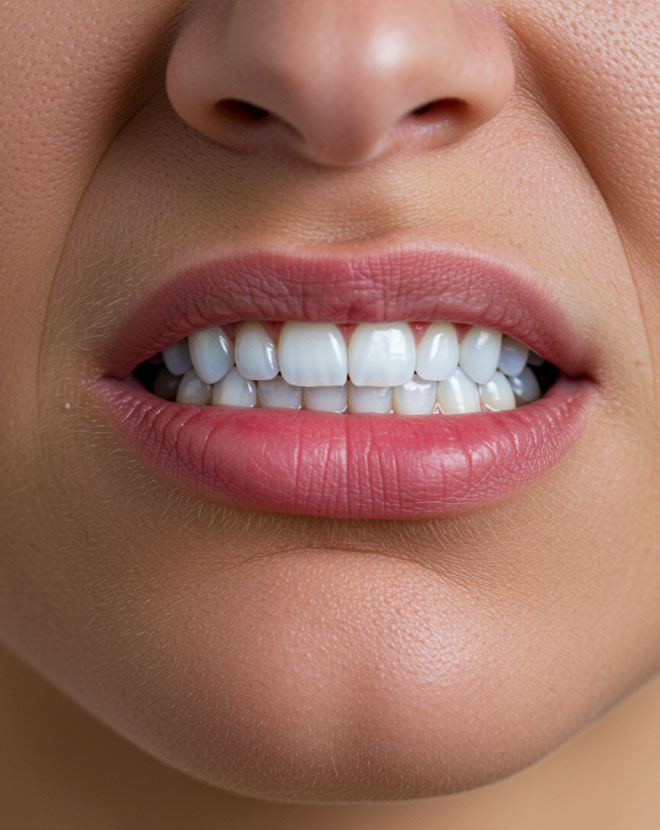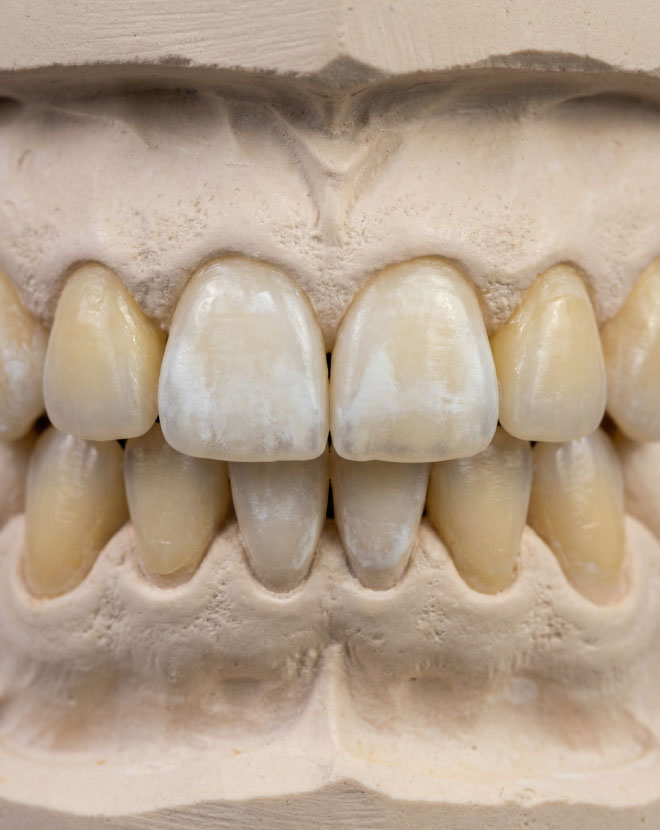


Peroxide-based whitening strips can cause sensitivity, gum irritation and enamel issues when misused or overused.

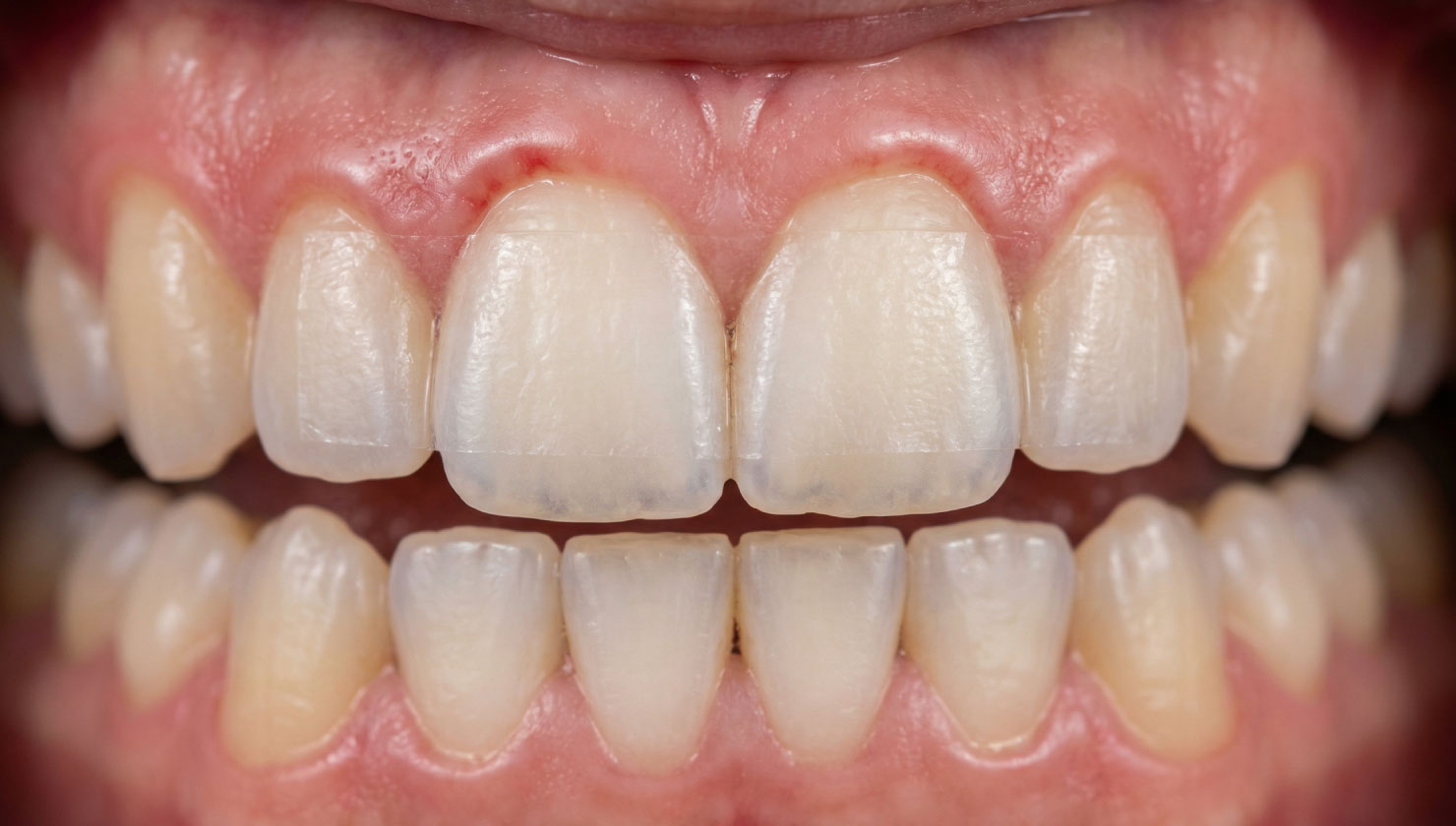
Peroxide-based teeth whitening strips are commonly used to brighten smiles at home, but they can produce unwelcome side effects, especially with overuse or incorrect application. Users often experience heightened tooth sensitivity and gum irritation. With frequent or prolonged use, there is also an increased risk of enamel weakening and patchy whitening results.
Important: Whitening strips may irritate soft tissue and increase sensitivity if misused. Understanding these adverse effects helps you protect your dental health when considering at-home whitening.
Common Adverse Effects
Tooth sensitivity is one of the most frequently reported side effects, occurring when the peroxide temporarily increases enamel porosity and exposes the dentin layer, leading to discomfort with hot, cold or sweet stimuli. Gum irritation can arise when peroxide gel contacts soft tissue, resulting in redness, soreness or inflammation of the gums. Whitening strips also may produce uneven results because they rarely fit perfectly across all tooth surfaces, and they do not whiten dental restorations such as crowns, bridges or veneers, which can lead to colour mismatch.
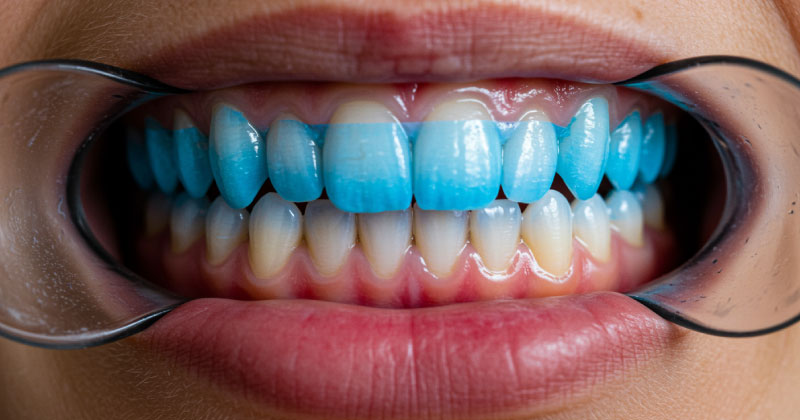
Risks From Overuse and Misuse
Using whitening strips too frequently or leaving them on longer than recommended can weaken enamel and exacerbate sensitivity, especially in people with naturally thin enamel or pre-existing dental issues. Repeated exposure to peroxide may make teeth more prone to discomfort and long-term enamel compromise.
Short-term side effects of peroxide-based whitening strips include increased tooth sensitivity and gum irritation. Sensitivity often results from peroxide penetrating microscopic pores in enamel and exposing dentinal nerves, which can cause a sharp or fleeting sensation with hot, cold or sweet foods and drinks. Gum irritation occurs when the bleaching gel overlaps onto soft tissues, leading to redness or soreness. These effects are usually temporary and resolve within a few days after stopping treatment, but ignoring symptoms or continuing treatment can exacerbate discomfort and prolong recovery.
Long-term risks arise when whitening strips are misused or overused. Continuous or excessive exposure to peroxide can weaken enamel, reducing its protective function and making teeth more vulnerable to decay and chronic sensitivity. Uneven whitening may result because strips cannot cover all tooth contours, and dental restorations like crowns or fillings will not change shade with peroxide, producing mismatched appearance. Although less common with careful use, repeated irritation of gums could also contribute to gum recession over time.
Signs of overuse include persistent and severe sensitivity that doesn’t subside between treatments, gums that remain sore or inflamed, and teeth showing patchy, uneven colour changes. Teeth with pronounced enamel thinning may appear slightly translucent at the edges. Prolonged irritation beyond the expected recovery period suggests enamel or gum tissue compromise and indicates the need to cease treatment. In these cases, seeking professional dental guidance can help prevent further dental damage and guide safer alternatives to achieve whitening goals.
Many users also report that whitening strips do not affect dental work such as veneers, crowns or composite fillings, so while natural teeth may lighten, restorations remain their original colour, creating a mismatch in appearance. This is a cosmetic limitation rather than a health risk, but it can be visually problematic and may require subsequent dental correction if a uniform smile shade is desired. Additionally, once whitening results fade, repeated retreatment cycles expose teeth repeatedly to peroxide, potentially magnifying sensitivity and gum irritation over time.
If you choose to use peroxide-based whitening strips, it is essential to follow the product instructions carefully, including recommended application times and frequency. Avoid leaving strips on longer than directed, and do not apply them more often than advised, as this increases the risk of sensitivity and enamel weakening. People with existing dental issues such as pre-existing sensitivity, enamel thinning, gum recession or restorations should consult a dental professional before beginning treatment. Using a desensitising toothpaste and spacing out treatments may help mitigate short-term sensitivity, but persistent discomfort or irritation beyond the expected recovery period warrants professional dental assessment.
Alternatives:
See: Bsolve Origin
Book a Consultation
It’s easy and free!